chess
Discovering My Passion
I stumbled upon chess in 1977 when I was 12 years old. At the same time, I began playing the piano and composing music. What an incredible discovery it turned out to be! I became completely captivated by the game, and whenever I had a moment away from school and homework, I was either studying or playing chess. The more I explored this fascinating world, the more my desire to learn grew… Many fellow chess players can relate to this deep passion and excitement for the game because, much like art, chess offers an endless journey of self-expression on the board.
Initially, I played chess with friends at school, but it didn’t take long to realize that I craved tougher competition. That’s when I decided to join my local chess club. The next step felt clear: I needed a coach. Thankfully, my mother found Bryan Backmansson, one of the strongest players in town. He was such a warm-hearted person who welcomed me as his student. Our training sessions together were just the beginning. I’ll forever be thankful for his guidance as he led me down this wonderful path in chess.
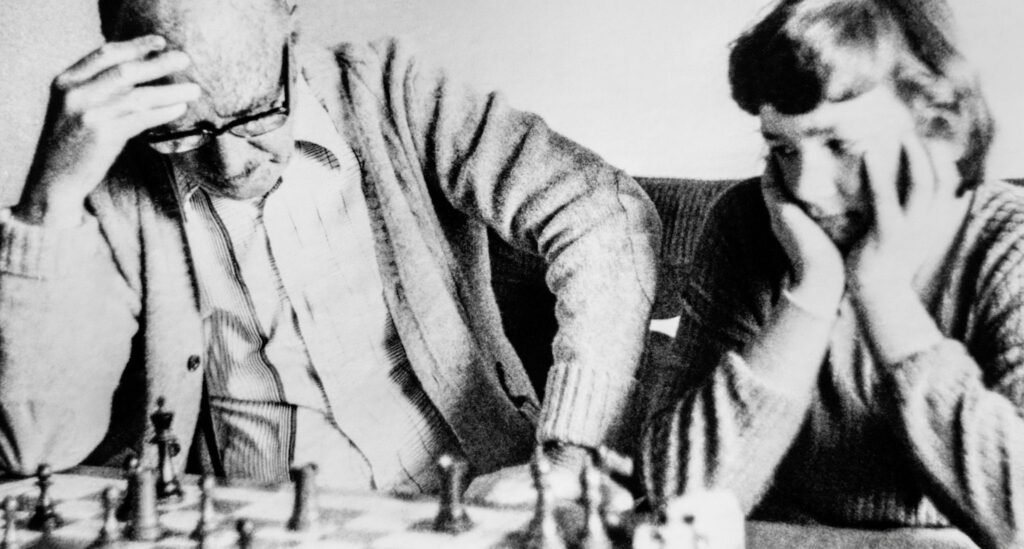
Studying chess with Bryan Backmansson in 1978.
The Chess Journey and Inspiration
After diving into all the chess books I could find, I discovered Bobby Fischer’s brilliance, and I was completely captivated! I meticulously studied his best games to understand what made him one of the greatest players ever. Besides studying at home, I continued my chess journey with Bryan, participating in local tournaments. As I started to enjoy chess even more, it became clear that chess would be a significant part of my life in the future.
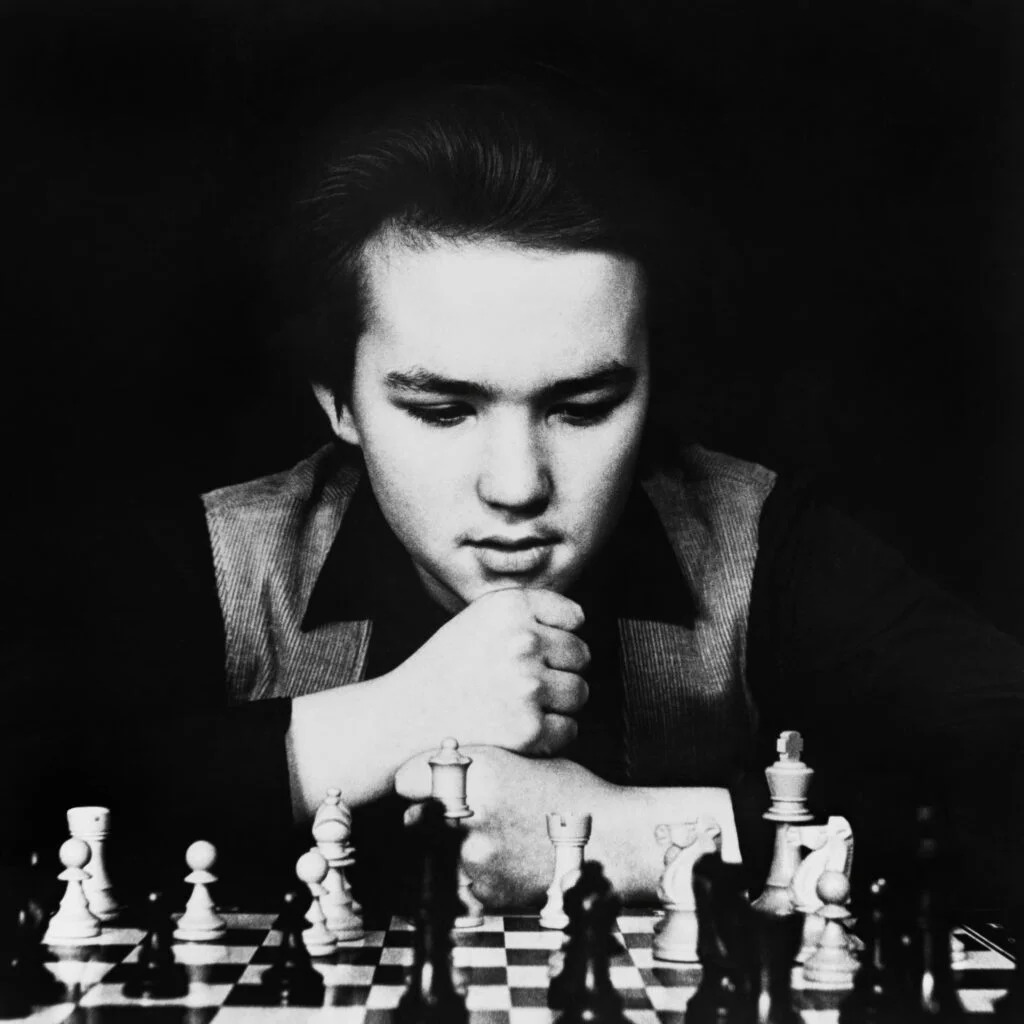
Studying chess in 1979.
In 1980, Grandmaster Rafael Vaganian came to Finland for a simul, and I traveled to Helsinki to participate in the event. At that time, Vaganian was a strong Grandmaster (peak ranking No. 4 in 1985 and peak rating of 2670 in 2005), and he also won the Soviet Championship in 1989. Check out the critical position below:
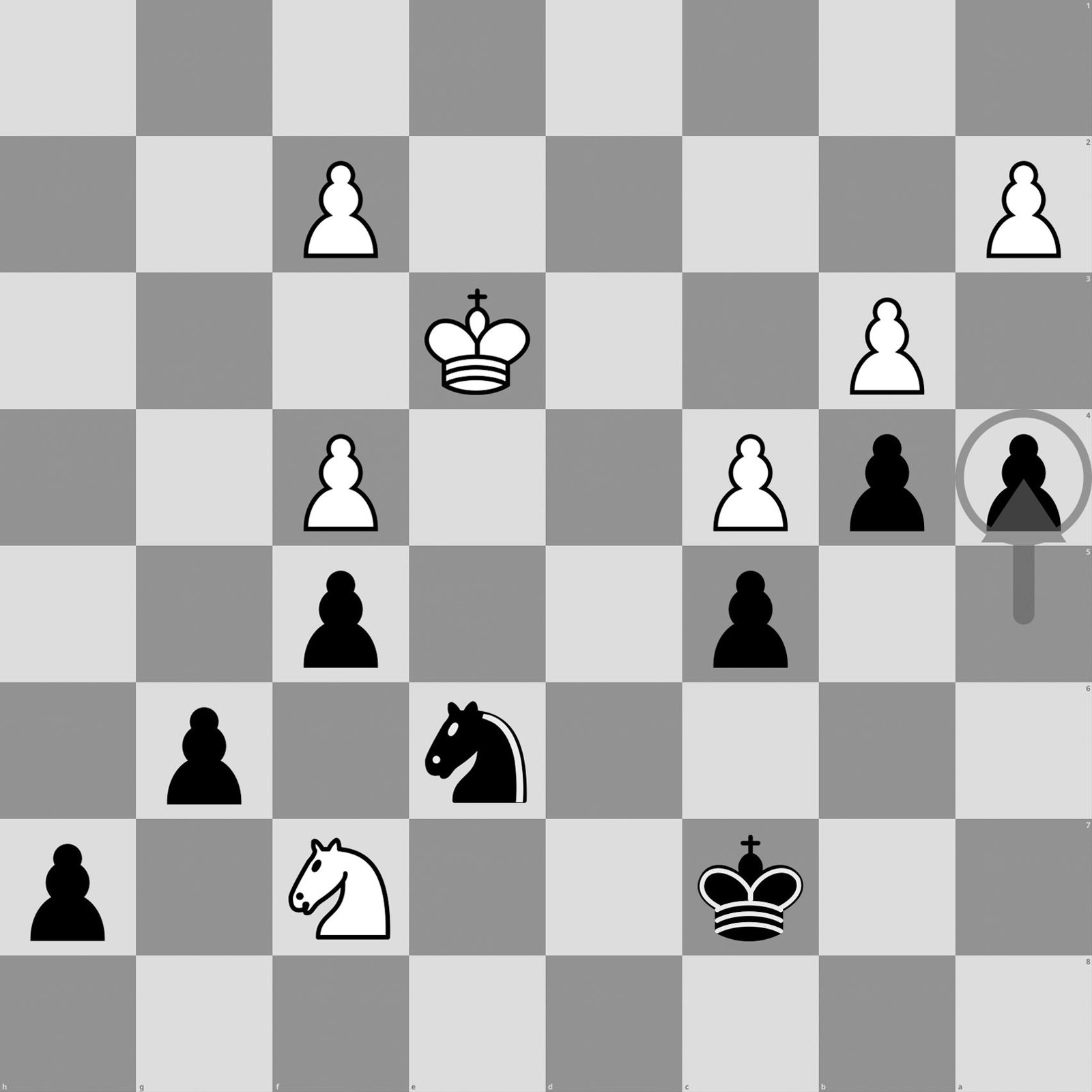
GM Rafael Vaganian – Sebastian Korman, 1980, Helsinki
My last move, 35… a4!, felt like a winning one, and it turned out I was right. As the last player in the simul, we both started blitzing our moves, and I couldn’t keep score or calculate properly. Despite the pressure, he managed to keep the position balanced, and in the end we agreed to a draw. Naturally, I was a bit disappointed with the result, but overall I think I played a solid game against a strong grandmaster after only a couple of years of study.
P.S. What is the best plan for Black after a move like 36. Ng5? Or is there an even stronger move for White?
I participated in several tournaments, which improved my skills and helped me achieve better results. In 1981, I played in the Nordic Youth School Championship in Sweden, where I secured second place. The winner was Curt Hansen from Denmark, who became a world champion (U20) in three years and a strong grandmaster (No. 18 and peak rating of 2635 in 1992). I drew with him in the final round.
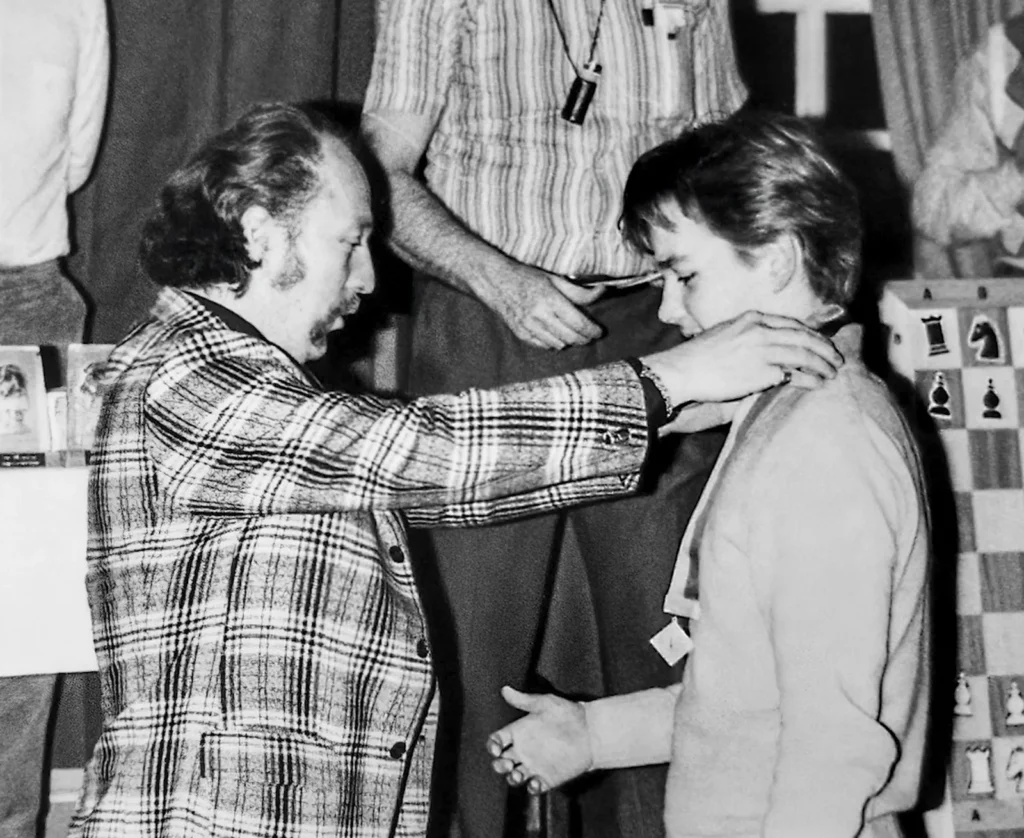
The Nordic Championship silver medal in 1981.
Tournament Victories and Finnish & World Championships
I continued improving my skills with my second coach, Raimo Tuusvuori, a strong local player. In the following years, I tried to play as many tournaments as possible in Finland and internationally. I started to win local tournaments, my hometown’s championships, the Finnish Chess Federation championships in two categories (U16 & U20), and other open tournaments in Finland. Then, it was time to participate for the first time in the Finnish Chess Championship (U20) in 1983 when I was 17 years old. It was the toughest tournament of my life, but I managed to share the win. This guaranteed me a rematch, which I won. So, I became the Finnish Champion. Because of this victory, I could play in the World Championship (U20) in France.
The next year, the same thing happened: I won the Finnish Championship (U20) and participated in the World Championship (U20), this time in Finland. In the first round of this tournament, I achieved the most important victory of my chess career when I defeated the current Soviet Champion (U20), Lembit Oll. In a few years, he became a strong Grandmaster (peak ranking No. 25 and peak rating of 2650 in 1998).
Check out the critical position of our game below:
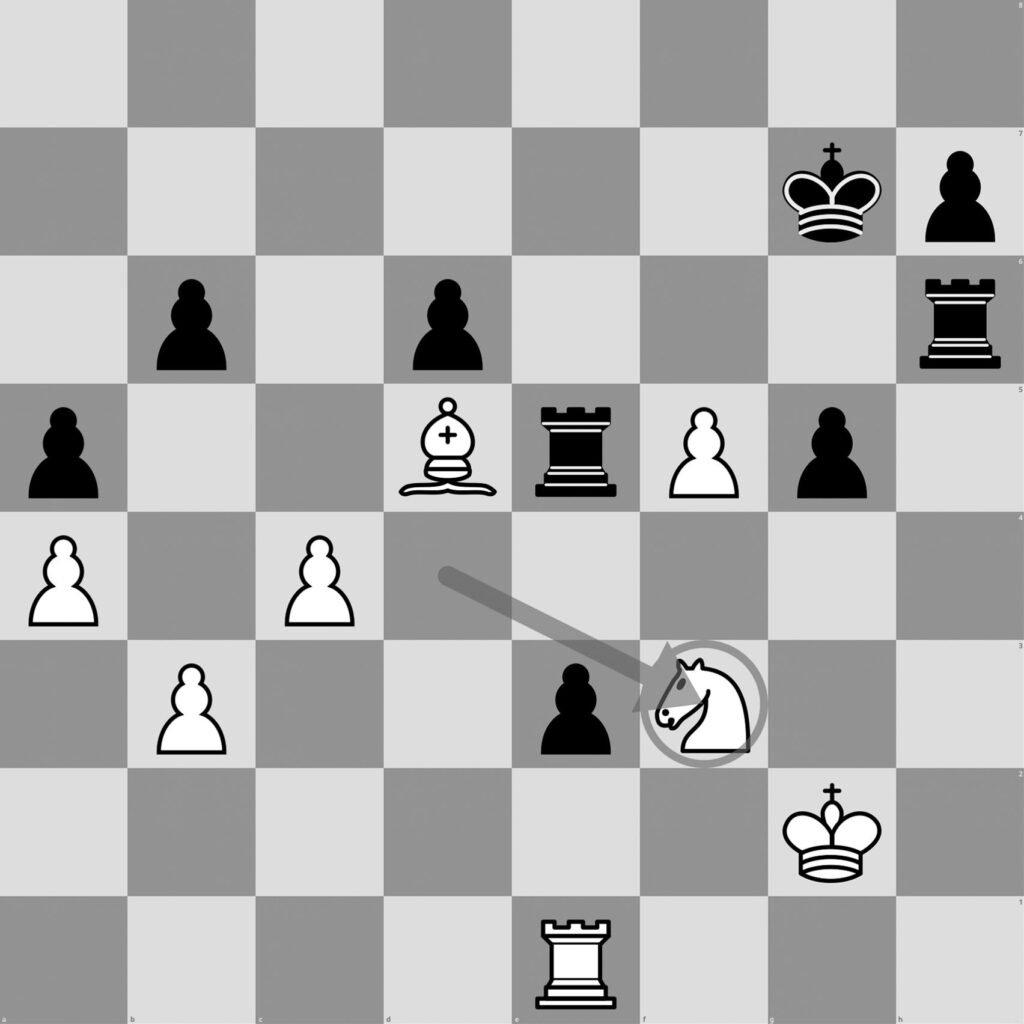
Sebastian Korman – Lembit Oll,
August 3, 1984, Kiljava
The game was adjourned in this position, and my sealed move was 40. Nf3! I took the initiative by activating my rook, and the game continued 40… Rxf5 41. Rxe3 Kf8 42. Nd4 Re5 43. Rf3+ Ke8 44. Bc6+ Kd8 45. Rf7 Rh4 46. Rd7+ Ke8 47. Rxd6+ Ke7 48. Rd7+ Kf6 49. Nf3, and 1-0.
In this tournament, I played against strong opponents like Berge Ostenstad, Alexey Dreev, Viswanathan Anand, and Alfonso Romero Holmes. As a result of my performance, my Elo rating reached 2295, and I achieved the National Master (NM) title.

Analyzing chess in 1984.
New Challenges
My next significant event was the European Championship (U20) held in Groningen, Netherlands, in 1984/1985. This tournament proved challenging as I realized there was more to life than just relentless chess study and competition year after year. After many years of pursuing chess professionally, I rekindled my passion for music composition and experienced diminished creative freedom in chess. This shift in emotion gradually drew me towards music and art rather than chess. This is why the European Championship did not reflect my best performance. In 1986, I participated in an International Chess Festival in Italy with reasonable results but it marked the end of my competitive chess playing.
Slowly, I shifted my focus toward composing music. During that first spring in Italy, I dedicated myself to preparing a new program for my first classical concert in Finland, scheduled for 1987. Upon returning to Finland, I continued to finalize my compositions. At the same time, it was challenging to study chess as before. Occasionally, I participated in team matches over the following years.
Online Chess
Between 2006 and 2008, when I had more free time from my music and art projects, my interest in chess was rekindled. The game had developed significantly compared to previous decades, mainly due to advances in computer technology. This development challenged me to reassess my chess skills and consider how much I could still improve my rating compared to my peak years. As a result, I dedicated myself to playing blitz chess for hours every day. During those two years, I was often ranked among the top ten players on Playchess.com, with a rating of 2709, while Hikaru Nakamura held the top spot with a rating above 2900.
During that period, I defeated masters ranked among the world’s top 100 (FIDE Elo), including the 2003 European Champion Zurab Azmaiparashvili (peak ranking No. 11 in 1993 and peak rating of 2702 in 2003).
Here is one example of those games: it is against Russian Grandmaster Alexander Galkin (peak ranking No. 96 in 2006 and peak rating of 2626 in 2012). You can review the critical position from our game below:
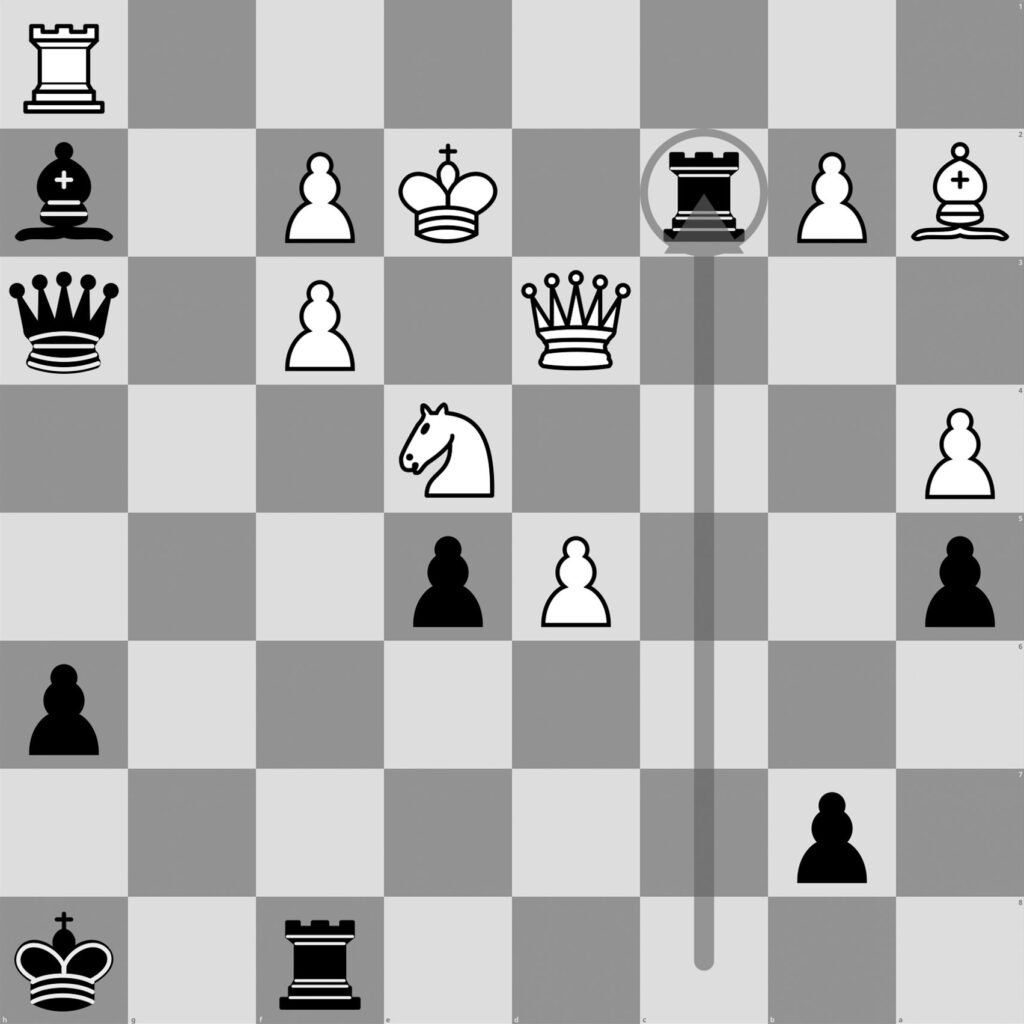
GM Alexander Galkin 2773 – NM Sebastian Korman 2651,
August 15, 2007, Playchess.com
Here, I sacrificed my rook with 36… Rxc2+! The game finished shortly 37. Kd1 Rxb2 38. Bb1 Rxb1 39. Qxb1 Qxf3+ 40. Kd2 Bf4+ 41. Kc2 Qxe4+ 42. Kc3 Qd4+ 43. Kb3 Qb4+ 44. Ka2, and White resigned.
The Chess Journey Continues
I tested my limits in online chess, and realized that playing 15 hours a day wasn’t sustainable for the rest of my life. Although it was fun, it left little room for other activities, so I scaled back. I’ve also played competitive over-the-board chess, including a 2013 rapid tournament in Lisbon with over 50 players, which I won 6.5/7.
Years later, I decided to share my chess knowledge – just as my coaches supported me early in my career. I began teaching chess online to eager learners, and over the years I’ve guided dozens of students of all ages and skill levels from around the world.
Today, I continue my chess journey primarily as a coach. It is an honor for me: when a student’s eyes light up with joy at discovering something new in chess, it gives me an immense sense of accomplishment that is hard to put into words. You can check out my coaching profile on Lichess here or on Chess.com here.
You can read my students’ testimonials here.